VPN (Virtual Private Network)
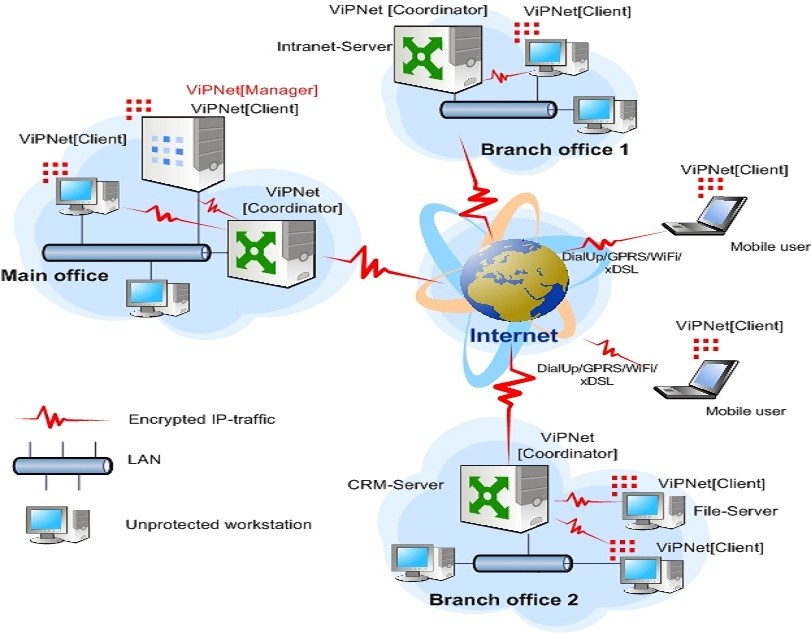
- VPN(Virtual Private Network) is a network that uses primarily public telecommunication infrastructure, such as the Internet, to provide remote offices or traveling users access to a central organizational network.
- VPNs may serve any network functionality that is found on any network, such as sharing of data and access to network resources, printers, databases, websites, etc.
- VPNs typically require remote users of the network to be authenticated, and often secure data with encryption technologies to prevent disclosure of private information to unauthorized parties.
- VPN technology via the public Internet has replaced the need to requisition and maintain expensive dedicated leased-line telecommunication circuits once typical in wide-area network installations.
- VPN user typically experiences the central network in a manner that is identical to being connected directly to the central network.
FIREWALL
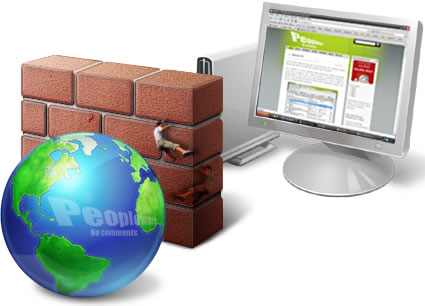 | A firewall is a set of related programs, located at a network gateway server, that protects the resources of a private network from users from other networks. (The term also implies the security policy that is used with the programs.) An enterprise with an intranet that allows its workers access to the wider Internet installs a firewall to prevent outsiders from accessing its own private data resources and for controlling what outside resources its own users have access to. |
Basically, a firewall, working closely with a routerprogram, examines each network packet to determine whether to forward it toward its destination. A firewall also includes or works with a proxy serverthat makes network requests on behalf of workstation users. A firewall is often installed in a specially designated computer separate from the rest of the network so that no incoming request can get directly at private network resources.
There are a number of firewall screening methods. A simple one is to screen requests to make sure they come from acceptable (previously identified) domain name and Internet Protocol addresses. For mobile users, firewalls allow remote access in to the private network by the use of secure logon procedures and authentication certificates.
A number of companies make firewall products. Features include logging and reporting, automatic alarms at given thresholds of attack, and a graphical user interface for controlling the firewall.
Computer security borrows this term from firefighting, where it originated. In firefighting, a firewall is a barrier established to prevent the spread of fire.
VIRTUALIZATION OF DESKTOP
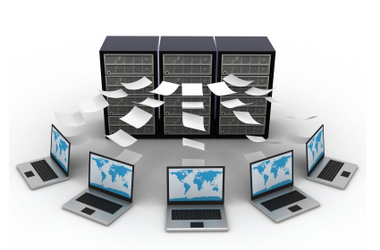 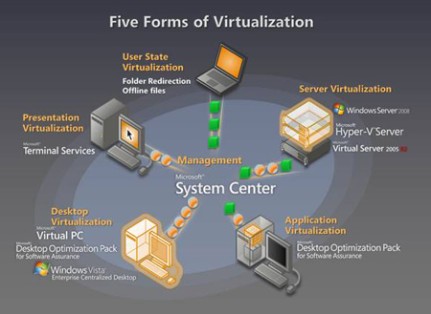 | Virtual Desktop Infrastructure (VDI) is a desktop delivery model, which allows client desktop workloads (operating system, application, user data) to be hosted and executed on servers in the data center. Users can communicate with their virtual desktops through a client device that supports remote desktop protocols such as RDP and ICA. This solution allows you to virtualize Windows® desktops in the datacenter and deliver them on demand to any user — anywhere Advantages
|
